
Holyoke Public Schools exited State Receivership on July 1, 2025. This on-going column will talk about how HPS ended up in receivership, the effects of the decision, the response in our schools, and what our exit looks like for students, teachers, and the community.
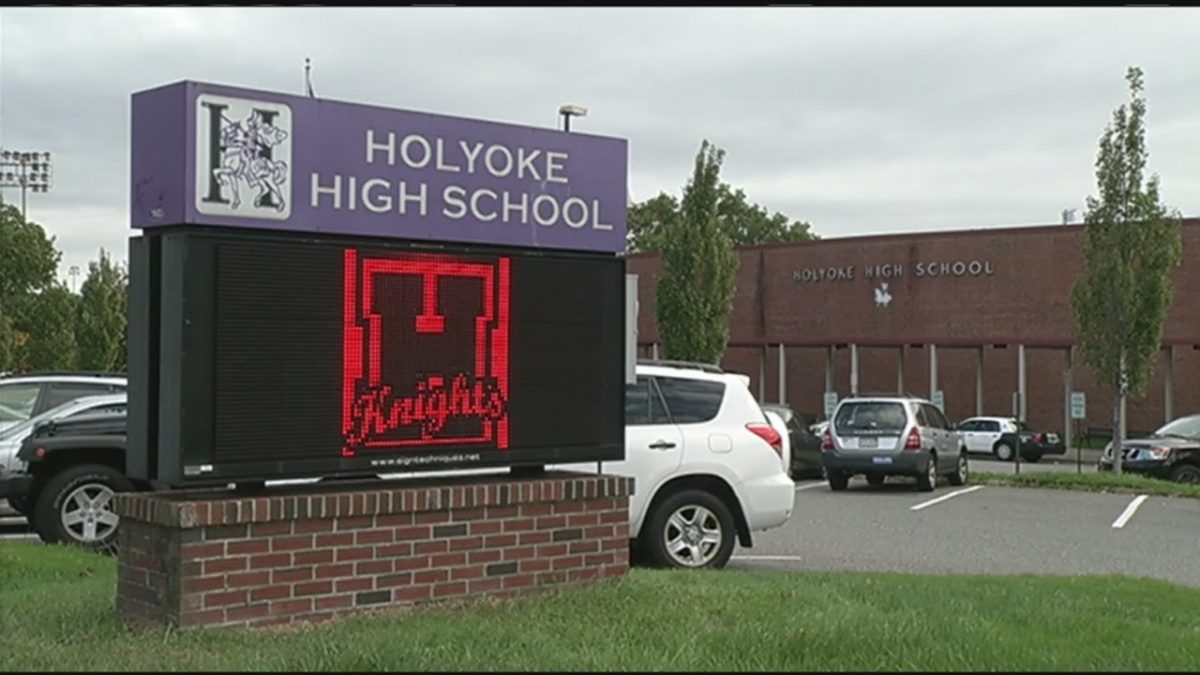
Holyoke High School has been in receivership for nearly 10 years now after scoring poorly on the tests that were given as part of the Elementary and Secondary Education Act, more commonly known as the No Child Left Behind (NCLB) Act. It caused major changes to the school and whether they are good or bad is a hotly debated topic, but what caused the school system to be considered ‘failing’ in the first place? In order to accurately tell this story, we must talk about how the history of Holyoke impacted our schools.
The No Child Left Behind Act was created by the Bush Administration in 2002 as a response to the unequal treatment of students because of race. It was meant to be a way to point out the schools that needed more attention so that they could stop the racist treatment and grant the school more funding if necessary. However instead of this more “carrot and stick” method of helping out the schools who were underperforming, the government went more for the stick. Nationwide tests were instituted, which in Massachusetts is known as the MCAS, so that they could see which schools were doing good and which were doing bad. The schools that did too bad for too long would go under state control through receivership as opposed to being run by the immediate community. This limited the decision making power that school board members, elected by people in Holyoke, had and gave broad authority to someone appointed by the state Board of Elementary and Secondary Education.
The reasoning behind bad test scores has been looked into plenty of times, especially if it’s a school or district wide issue. There are always factors besides just a lack of work ethic more times than not and Holyoke is not an outlier in that fact. Holyoke is known as Paper City and has been for quite some time. The nickname started because of the fact that the whole town used to produce massive amounts of paper more so than anywhere else in the country, producing 80% of the paper used in the U.S. in its heyday. You can still see remnants of this past throughout the town where there are dozens of factories. But after a boom in communism throughout the world, the U.S. government decided to try and stop it.
The U.S. government decided to outsource most of its work to countries all over the world to spread capitalism and gain strength/allies in the world, but this sacrificed the internal stability of the work force in the U.S.; Holyoke being a town that was majorly affected. This decision caused the slow but certain death of the Holyoke paper production business losing money for the town on a massive level which happened to coincide with a sudden increase of immigrants coming in from all over thanks to the job opportunities that the factories were supposed to provide. This influx of people was timed with the loss of the factories causing there to be more people and less funds for the state’s program which includes the schools.
The combination of lack of funding and influx of students, especially minority students, put massive amounts of stress on the schooling system of Holyoke as they had to deal with different levels of former education, language barriers, while still having to keep up with the ‘one-size-fits-all’ test standards. All of these factors lead to them scoring extremely low on the MCAS, the low score was proof to the state that Holyoke couldn’t handle itself and so took the schools into receivership.
All of these factors came together to cause Holyoke schools to go into receivership at no true fault of its own. Reviewing all of this background knowledge is extremely important so that it’s possible to truly look into receiverships’ different affects on the school as well as seeing if it was truly the cause of positive change or just the stabilization of the situation in Holyoke. Soon all of the facts will be set straight and the truth on whether or not it did anything for the town will be revealed.
If you would like to know more about the history of Holyoke, check out these sources:
https://www.paper-world.com/en/newsdetail/holyoke-in-massachusetts-is-known-as-paper-city